Kitchen Hood Extractor in Kenya: The Complete 2026 Buyer’s & Installation Guide
By Spinel Dynamics Group | Kenya’s Leading HVAC & Commercial Kitchen Ventilation Experts
Why Every Kenyan Kitchen Needs a Proper Hood Extractor
A kitchen hood extractor in Kenya is no longer a luxury — it is a core requirement for any commercial kitchen, restaurant, hotel, hospital canteen, school cafeteria, or modern residential home. With Nairobi, Mombasa, Kisumu, Eldoret and other Kenyan cities seeing rapid growth in the hospitality and food service industry, the demand for efficient, code-compliant kitchen extraction systems has never been higher.
At Spinel Dynamics Group, we have spent over a decade designing, fabricating and installing kitchen hood extractors across Kenya and East Africa. From small nyama choma joints in Kayole to five-star hotels in Westlands and Diani, our team understands what works — and what fails — in real Kenyan kitchens.
This guide walks you through everything you need to know before buying or installing a kitchen hood extractor in Kenya: types, prices, sizing, materials, fabrication standards, installation steps, maintenance schedules, common problems and how to choose the right contractor.
What Is a Kitchen Hood Extractor?
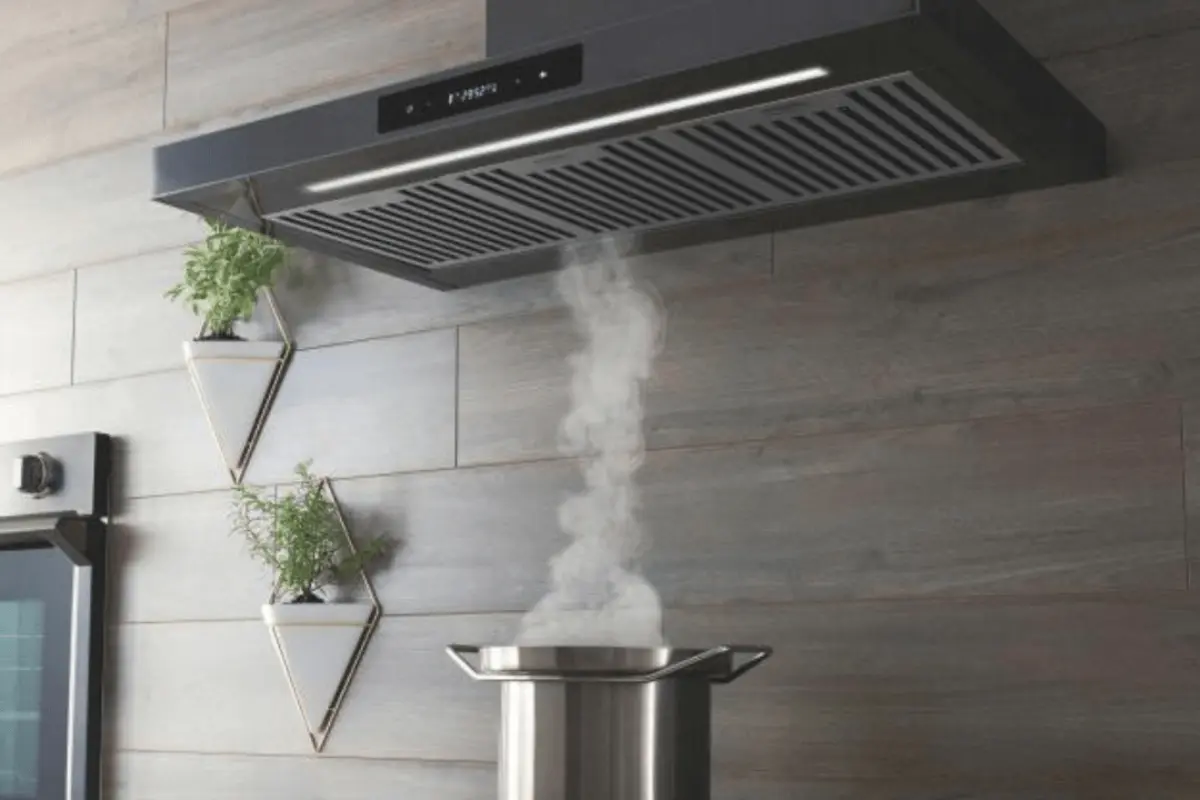
A kitchen hood extractor — also called a range hood, extractor canopy, or kitchen exhaust hood — is a ventilation device installed above cooking appliances. Its job is simple but critical. It captures heat, smoke, steam, grease-laden vapours, cooking odours and combustion gases produced during cooking, then channels them safely outside the building through a network of ducts and exhaust fans.
In a busy commercial kitchen, a properly designed hood extractor protects your staff, your customers, your equipment and your building. Without one, grease coats every surface, walls turn yellow within months, fire risk skyrockets, and the kitchen quickly becomes unbearable to work in.
Key Functions of a Kitchen Hood Extractor
A quality kitchen hood extractor performs several jobs at once. It removes airborne grease before it can settle on ceilings, light fittings and electronics. It pulls out heat so chefs can work comfortably even when multiple burners are running. It eliminates smoke and steam that would otherwise trigger fire alarms or fog up the space. It controls cooking smells so they don’t drift into dining areas or neighbouring offices. And in gas kitchens, it removes carbon monoxide and other combustion by-products that pose serious health risks.
Types of Kitchen Hood Extractors Available in Kenya
Choosing the right type of hood is the first big decision. The wrong style can lead to poor capture, wasted energy and frustrated chefs. Here are the main types we install across Kenya.
1. Wall-Mounted Canopy Hoods
These are the most common kitchen hood extractors in Kenya. The hood sits flush against a wall, directly above the cooking line. They suit any kitchen where the cooking equipment is lined up along one wall — which describes the majority of restaurants, hotels and homes.
Wall-mounted canopies are easier and cheaper to install than island styles because they only need ductwork on one side, and the wall itself helps direct fumes upward into the hood.
2. Island Canopy Hoods
When the cooking range sits in the middle of the kitchen — common in show kitchens, hotel buffets, and modern open-plan restaurants — an island hood is needed. These are suspended from the ceiling and must be larger than wall hoods because they have no wall to help with capture.
Island hoods are visually striking but more expensive due to extra fabrication, ceiling supports and longer ductwork runs.
3. Back-Shelf (Proximity) Hoods
Back-shelf hoods, also known as low-proximity hoods, sit much closer to the cooking surface — typically over countertop equipment like griddles, charbroilers and fryers. They are popular in fast food outlets, food trucks, hotel breakfast stations and tight commercial kitchens where headroom is limited.
Because they are closer to the heat source, they can extract effectively at lower airflow rates, which saves energy.
4. Eyebrow Hoods
Eyebrow hoods are mounted directly to specific appliances such as dishwashers, combi ovens, and certain pizza ovens. They handle the concentrated steam and heat that comes out of a single piece of equipment without needing a large canopy.
5. Pass-Over (Double Island) Hoods
For large hotel kitchens with cooking lines on both sides of a central walkway, pass-over hoods extend over both sides simultaneously. They’re efficient and reduce the total length of ductwork needed.
6. Residential Kitchen Hood Extractors
For homes in Nairobi, Karen, Runda, Kileleshwa, Lavington, Nyali, Kilimani and similar estates, residential hoods come in three main styles. Under-cabinet hoods tuck beneath wall cabinets and suit standard kitchens. Wall-chimney hoods are the popular tall stainless steel or glass units you see in modern apartments. Downdraft hoods rise out of the countertop on demand and are used with island cooktops.
Stainless Steel Grades: Why SS 304 Matters
The body of any commercial kitchen hood extractor in Kenya should be fabricated from stainless steel grade 304 (sometimes called food-grade stainless steel). This is non-negotiable for any serious commercial kitchen.
SS 304 resists corrosion from cooking acids, salt, vinegar and cleaning chemicals. It doesn’t rust the way galvanised steel or mild steel does, even after years of daily cleaning. It is easy to wipe down, meets NEMA hygiene standards, and looks professional for many years.
Cheaper hoods on the Kenyan market use SS 201 or even painted mild steel. These look almost identical when new — but within 12 to 24 months, you’ll see rust streaks, pitting and discolouration, especially near the grease filters. At Spinel Dynamics Group, we fabricate all our commercial hoods from SS 304 as standard. For coastal locations like Mombasa, Malindi, Lamu and Diani, where salt air accelerates corrosion, we strongly recommend SS 316, which has even higher chloride resistance.
Grease Filters: The Heart of a Kitchen Hood Extractor
The grease filter is what separates a real commercial kitchen hood extractor from a glorified fan. There are three main filter types used in Kenya.
Baffle filters are the gold standard for commercial kitchens. They use a series of curved stainless steel plates that force grease-laden air to change direction rapidly. The grease droplets, being heavier than air, slam into the baffles and drain down into a collection trough. Baffle filters are fire-safe, easy to clean in a dishwasher, and last for years. NFPA 96 (the international fire code most insurers reference in Kenya) effectively mandates baffle filters in commercial kitchens.
Mesh filters are stacked aluminium or stainless mesh layers. They are cheaper but clog faster, are harder to clean properly and represent a higher fire risk if grease builds up. We only recommend mesh filters for low-volume residential use.
Charcoal filters are used in recirculating residential hoods that don’t vent outside. They absorb odours but do not handle grease or heat well — never use them in a commercial setting.
How a Kitchen Hood Extractor System Works
Understanding the airflow path helps you appreciate why every component matters.
When food cooks, heat rises and carries grease, steam and smoke upward. The hood canopy captures this rising column of contaminated air. The grease filters strip out grease droplets before they reach the ductwork. A centrifugal or axial exhaust fan — mounted either inside the hood, in the ductwork, or on the roof — pulls the cleaned air through galvanised or stainless steel exhaust ducts. The duct discharges the air outside the building, well away from windows, fresh-air intakes and neighbouring properties.
In any properly designed system, removed air must be replaced. This is where a make-up air unit (MAU) or fresh air supply fan comes in. Without it, the kitchen develops negative pressure, doors become hard to open, gas appliances burn poorly, and air gets sucked in from undesirable places like toilets and sewers.
Sizing Your Kitchen Hood Extractor in Kenya
Correct sizing is where most cheap installations fail. An undersized hood lets smoke and grease escape into the kitchen. An oversized one wastes huge amounts of energy and over-conditions your space.
Hood Dimensions
The general rule for commercial hoods is that the canopy must overhang the cooking equipment by at least 150 mm (6 inches) on all open sides. For high-heat equipment such as charbroilers, woks and open-flame grills, we extend this to 300 mm.
The hood should sit between 1,800 mm and 2,100 mm above the finished floor — high enough that chefs can work comfortably underneath, low enough to capture fumes effectively.
Airflow (CFM) Calculation
Airflow is measured in cubic feet per minute (CFM) or cubic metres per hour (m³/hr). The required airflow depends on the type of cooking equipment underneath the hood.
Light-duty equipment such as ovens, steamers and pasta cookers typically needs around 250–300 CFM per linear foot of hood. Medium-duty equipment like ranges, fryers and griddles needs 300–400 CFM per linear foot. Heavy-duty equipment — charbroilers, woks, open-flame grills — needs 400 CFM or more per linear foot. Extra-heavy-duty solid fuel equipment such as charcoal grills and jiko-style ranges can need 550 CFM or more.
A 3-metre (10-foot) hood over a medium-duty range will typically need around 3,500–4,000 CFM. Our engineers do this calculation precisely for every project, factoring in equipment, ceiling height, make-up air, and Kenyan climate conditions.
Ductwork Design and Fabrication Standards
The ducts that carry exhaust air from your hood to the outside are just as important as the hood itself. Poor ductwork is the number-one cause of kitchen extraction failures we see across Kenya.
Duct Materials
We fabricate kitchen exhaust ducts in three main materials, depending on the application. Galvanised iron (GI) sheet is suitable for most commercial kitchens at a competitive price point. Stainless steel (SS 304 or SS 316) ducts are used for premium installations, coastal projects and high-grease environments. Mild steel (MS) coated with high-temperature paint is used for industrial exhaust where chemical exposure is low.
Sheet thickness matters too. We use 1.0 mm to 1.5 mm gauge for commercial hood ducts — anything thinner sags, vibrates, and fails fire safety standards.
Duct Routing Rules
Good ductwork follows a few simple but critical rules. Keep the run as short and straight as possible. Avoid horizontal runs longer than necessary, since they collect grease. Slope any horizontal sections by at least 2% back toward a grease drain or the hood itself. Include access panels every 3.5 metres so the ducts can be cleaned properly. And the discharge point must be at least 3 metres away from any fresh-air intake, window or building opening.
All our duct joints are sealed with high-temperature silicone and mechanically fastened to meet HVCA DW/144 standards — the same standards used in the UK and adopted internationally.
Exhaust Fans for Kitchen Hood Extractors
The fan is what creates the suction that pulls air through the hood. We use two main types in Kenya.
Centrifugal fans (also called blower fans) are the workhorses of commercial kitchen extraction. They handle high static pressure well, which means they can pull air through long duct runs, multiple bends and grease-laden filters without losing performance. We typically use them for heavy-duty restaurants, hotels and industrial kitchens. Top brands we install include Soler & Palau (S&P) from Spain, Blauberg from Germany, Vents from Ukraine, and Xpelair from the UK.
Axial fans are propeller-style fans suitable for short, direct duct runs with low resistance. They are cheaper and used in light-duty kitchens, residential applications and where the hood is close to an external wall.
Fan selection depends on three numbers: required airflow (CFM), total static pressure (which we calculate from the duct layout), and required motor power. Picking the right fan is engineering, not guesswork — yet this is exactly where most low-cost installers in Kenya cut corners.
Make-Up Air: The Forgotten Half of Kitchen Ventilation
Here is something most clients in Kenya don’t realise: extracting air without replacing it is dangerous. A typical commercial hood pulls out 3,000–8,000 CFM. If you don’t supply make-up air, the kitchen develops strong negative pressure.
The symptoms are unmistakable. Doors become heavy to open. Chefs feel a constant draft. Gas burners burn yellow instead of blue. Combustion fumes get pulled into the kitchen instead of out. Cold air rushes in from the dining area, making customers uncomfortable. Pilot lights blow out repeatedly.
A make-up air unit (MAU) supplies tempered fresh air to balance the extraction. In Kenya’s climate, MAUs are usually simple supply fans with filters — we rarely need heating or cooling on the make-up air, except in highland areas like Nyahururu, Limuru and Eldoret where mornings can be cool.
For every kitchen hood extractor system we install in Kenya, we design the make-up air supply at 80–85% of the extraction rate, with the remaining 15–20% drawn from the dining area to keep cooking smells in the kitchen.
Kitchen Hood Extractor Prices in Kenya (2026)
Pricing varies based on hood size, material, fan capacity, ductwork length, fire suppression, and installation complexity. Below are realistic 2026 price ranges from Spinel Dynamics Group based on our actual project portfolio. All prices are in Kenya Shillings (KSh) and exclude VAT.
| System Type | Typical Application | Indicative Price Range (KSh) |
|---|---|---|
| Residential under-cabinet hood (supply only) | Apartments, small homes | |
| Residential chimney hood (supply + install) | Modern homes, villas | |
| Small commercial hood (1.5–2 m, SS 304) | Cafés, small restaurants | |
| Medium commercial hood (2.5–3.5 m, SS 304) | Restaurants, hotels | |
| Large commercial hood (4–6 m, SS 304) | Hotel kitchens, institutions | |
| Island canopy hood (custom) | Show kitchens, hotels | |
| Complete extraction system (hood + duct + fan + MAU) | Full restaurant fit-out | |
| Fire suppression system (Ansul-style, add-on) | Commercial kitchens |
These prices include local fabrication in our Nairobi workshop, professional installation, commissioning and a one-year workmanship warranty. Get an exact quotation by contacting us for a free site visit.
Fire Safety: Why Your Kitchen Hood Extractor Must Be Compliant
Kitchen fires are the most common type of commercial building fire in Kenya, and grease-laden ductwork is the most common cause. Insurance companies, county health inspectors, and the Nairobi Metropolitan Services fire department all increasingly require evidence of compliant kitchen extraction.
A compliant kitchen hood extractor system in Kenya should include several fire safety features. Baffle-type grease filters that contain rather than spread flames. UL-listed or CE-marked fire dampers in the ductwork at strategic points. A wet chemical fire suppression system (Ansul R-102 or equivalent) that automatically discharges over the cooking surface and into the duct in case of fire. An emergency shut-off button that cuts gas and electrical power to the cooking equipment when activated. Regular professional cleaning to prevent grease build-up — ideally every 3 to 6 months for high-volume kitchens.
We design and install all of these as part of our complete kitchen extraction packages.
Installation Process: How Spinel Dynamics Group Delivers Your Project
Our installation process follows the same proven four-step approach we use for all HVAC projects.
Step 1: Free Site Survey
One of our HVAC engineers visits your premises at no charge. We measure the kitchen, photograph the cooking equipment, assess wall and ceiling structure, identify the best route for ductwork, locate suitable discharge points, and discuss your operational requirements.
Step 2: Custom Design and Quotation
Back at our office, we produce detailed engineering drawings including hood dimensions, ductwork routing, fan specification, electrical loads and make-up air design. You receive a transparent itemised quotation with no hidden costs.
Step 3: Fabrication and Installation
Once you approve, our workshop fabricates the hood and ductwork to your exact dimensions using SS 304 sheet, professional welding equipment and mechanical fasteners. On site, our installation team mounts the hood, runs the ductwork, installs the fan and make-up air unit, completes electrical connections, and seals all penetrations.
Step 4: Commissioning and Handover
Before we leave, we test the system at full load. We measure actual airflow, check that smoke and steam are captured properly, balance the make-up air, and walk your staff through filter cleaning and emergency shut-off procedures. You receive operation manuals, warranty documents and our 24/7 emergency support contact.
Maintenance: Keeping Your Kitchen Hood Extractor Running
A kitchen hood extractor that’s not maintained is a fire waiting to happen. Here’s the maintenance schedule we recommend for commercial kitchens in Kenya.
Daily: Wipe down the hood exterior, check that all filters are in place, empty the grease collection cup.
Weekly: Remove and clean the baffle filters in a hot soapy soak or commercial dishwasher. Check fan operation and listen for unusual noises.
Monthly: Inspect duct access panels for grease build-up. Clean the inside of the hood plenum.
Quarterly to half-yearly: Have a professional team (us, ideally) clean the full duct run, inspect the fan blades, check belt tension if applicable, service the make-up air unit, and certify the fire suppression system.
Annually: Complete fire suppression system recharge inspection, motor service, and full system performance test.
We offer annual maintenance contracts across Nairobi, Mombasa, Kisumu, Nakuru, Eldoret, Naivasha, Malindi, Diani, Thika, and Machakos. Contract clients get priority response, discounted parts and 24/7 emergency support.
Common Kitchen Hood Extractor Problems and Solutions
After more than ten years installing and repairing kitchen extraction systems across Kenya, here are the problems we see most often and how we fix them.
Smoke and steam escaping into the kitchen. Usually caused by undersized hood, insufficient airflow, missing make-up air, or clogged filters. We diagnose with airflow measurement and rectify by increasing fan capacity, adding MAU, or replacing filters.
Loud noise or vibration. Usually caused by unbalanced fan impellers, loose mounting bolts, undersized ducts creating turbulence, or worn motor bearings. We rebalance, retighten or replace the fan as needed.
Grease dripping from the hood. Indicates filters are saturated and grease is collecting in the plenum. Solution: more frequent filter cleaning and a plenum clean by our team.
Rust and corrosion. Almost always due to using lower-grade steel (SS 201 or mild steel painted to look like stainless). The only real fix is to replace the affected sections with proper SS 304.
System not pulling at all. Usually electrical — tripped breaker, blown capacitor, burnt motor, or faulty control panel. Our team troubleshoots and repairs on the spot.
Smell drifting into dining areas. Caused by negative pressure in the dining room pulling air from the kitchen instead of the other way round. Fixed by rebalancing make-up air and dining-area supply.
Industries We Serve in Kenya
Spinel Dynamics Group installs kitchen hood extractors for a wide range of clients in Kenya.
Restaurants and cafés across all price segments — from fast-casual to fine dining. Hotels and lodges from the Nairobi CBD to the Maasai Mara, the Coast and the Rift Valley. Schools, universities and institutional kitchens including KMTC colleges, private schools and TVET institutions. Hospitals and healthcare facilities where hygienic ventilation is critical. Supermarket bakeries and hot food counters. Office building canteens and staff kitchens. Religious institutions and conference centres. Food processing facilities and central kitchens. And modern residential homes in Nairobi, Kiambu, Mombasa, Kisumu, Naivasha and beyond.
Why Choose Spinel Dynamics Group for Your Kitchen Hood Extractor in Kenya
There are many people fabricating kitchen hoods in Kenya. Few build proper extraction systems. Here is what sets us apart.
We have over a decade of dedicated HVAC and kitchen ventilation experience. Every project is engineered, not improvised — we calculate airflow, static pressure, make-up air and fire safety before fabrication begins. All our commercial hoods are fabricated in SS 304 grade as standard. We partner with proven international brands such as S&P, Blauberg, Vents, Xpelair, and Bitzer for fans and refrigeration. Every installation includes commissioning, training and a full one-year workmanship warranty. We provide 24/7 emergency repair across Nairobi and major Kenyan towns. And our pricing is transparent — itemised quotations, no surprise charges, no hidden costs.
Over 200 clients across Kenya — including major hotel chains, restaurant groups, supermarkets and food processors — trust us to keep their kitchens safe, comfortable and code-compliant.
Frequently Asked Questions (FAQ)
How much does a kitchen hood extractor cost in Kenya?
Prices range from around for a basic residential under-cabinet hood to or more for a complete commercial hotel kitchen extraction system including hood, ductwork, fans, make-up air and fire suppression. A typical mid-size restaurant in Nairobi spends KSh 800,000 to 1.8 million for a full, code-compliant extraction system.
What size kitchen hood do I need?
The hood should overhang your cooking equipment by at least 150 mm on every open side, and 300 mm for high-heat equipment like charbroilers. Hood height above the floor is typically 1,800–2,100 mm. Required airflow depends on your equipment type — our engineers calculate this precisely during the free site survey.
How long does installation take?
A residential hood usually takes one day. A small commercial kitchen takes 3–5 working days. A full hotel kitchen with multiple hoods, long duct runs and fire suppression typically takes 2–4 weeks from start of fabrication to commissioning.
Can you fabricate custom-size kitchen hoods?
Yes. All our commercial kitchen hoods are custom-fabricated in our Nairobi workshop to your exact dimensions, with your choice of finish, lighting, filter type and accessories.
Do you install fire suppression systems for kitchen hoods?
Yes. We supply and install wet chemical fire suppression systems (Ansul R-102 style) that integrate with your hood and ductwork to provide automatic fire protection over cooking equipment.
Do you offer maintenance contracts?
Yes. We offer quarterly, half-yearly and annual maintenance contracts that include filter cleaning, duct inspection, fan servicing, fire suppression certification and 24/7 emergency response.
Do you work outside Nairobi?
Yes. We install kitchen hood extractors across Kenya including Mombasa, Kisumu, Nakuru, Eldoret, Naivasha, Thika, Machakos, Malindi, Diani, Nanyuki, Meru and beyond, as well as parts of East Africa.
Which brands of extractor fans do you supply?
We are authorised dealers and partners for Soler & Palau (S&P), Blauberg Motoren, Vents, Xpelair, and several other premium fan brands, all with full warranty backing.
Can I see examples of past projects?
Yes — we are happy to share references, project photos and arrange site visits to existing installations subject to client permission. Call us on +254 714 821 020.
Get a Free Site Visit and Quotation Today
Whether you’re opening a new restaurant in Westlands, refurbishing a hotel kitchen in Diani, fitting out a school canteen in Eldoret, or upgrading your home kitchen in Karen — Spinel Dynamics Group is Kenya’s trusted partner for kitchen hood extractor design, fabrication, installation and maintenance.
Call us today: +254 714 821 020 Email: info@spineldynamics.com Visit us: Aqua Plaza, First Floor, Murang’a Road, Nairobi Hours: Mon–Fri 8:00 AM – 6:00 PM | Sat 9:00 AM – 2:00 PM
Your kitchen deserves a hood extractor that actually works. Talk to the experts — talk to Spinel Dynamics Group.