Kitchen Hood Extractor in Kenya: Complete Guide by Spinel Dynamics Group
Kitchen Hood Extractor in Kenya | Commercial Kitchen Ventilation Experts – Spinel Dynamics Group
kitchen hood extractor in Kenya? Spinel Dynamics Group designs, supplies, installs and maintains commercial kitchen ventilation systems for hotels, restaurants, bakeries, schools and industrial kitchens across Kenya.
Walk into any busy hotel kitchen, restaurant, bakery, butchery, school kitchen, hospital kitchen or commercial food production facility in Kenya, and one thing becomes clear very quickly: without proper ventilation, the kitchen becomes uncomfortable, unsafe and inefficient.
Smoke, steam, heat, grease, odours and airborne oil particles build up fast in a working kitchen. This affects staff comfort, food hygiene, customer experience, fire safety and even the lifespan of your equipment.
That is why a properly designed and installed kitchen hood extractor in Kenya is not a luxury — it is an essential part of any serious commercial kitchen.
At Spinel Dynamics Group, we design, fabricate, supply, install and maintain commercial kitchen hood extractor systems across Kenya and East Africa. From restaurants in Nairobi to hotel kitchens in Mombasa, school kitchens in Kisumu, bakeries in Nakuru and industrial kitchens in Eldoret, we provide ventilation systems built for real Kenyan working conditions.
What Is a Kitchen Hood Extractor?
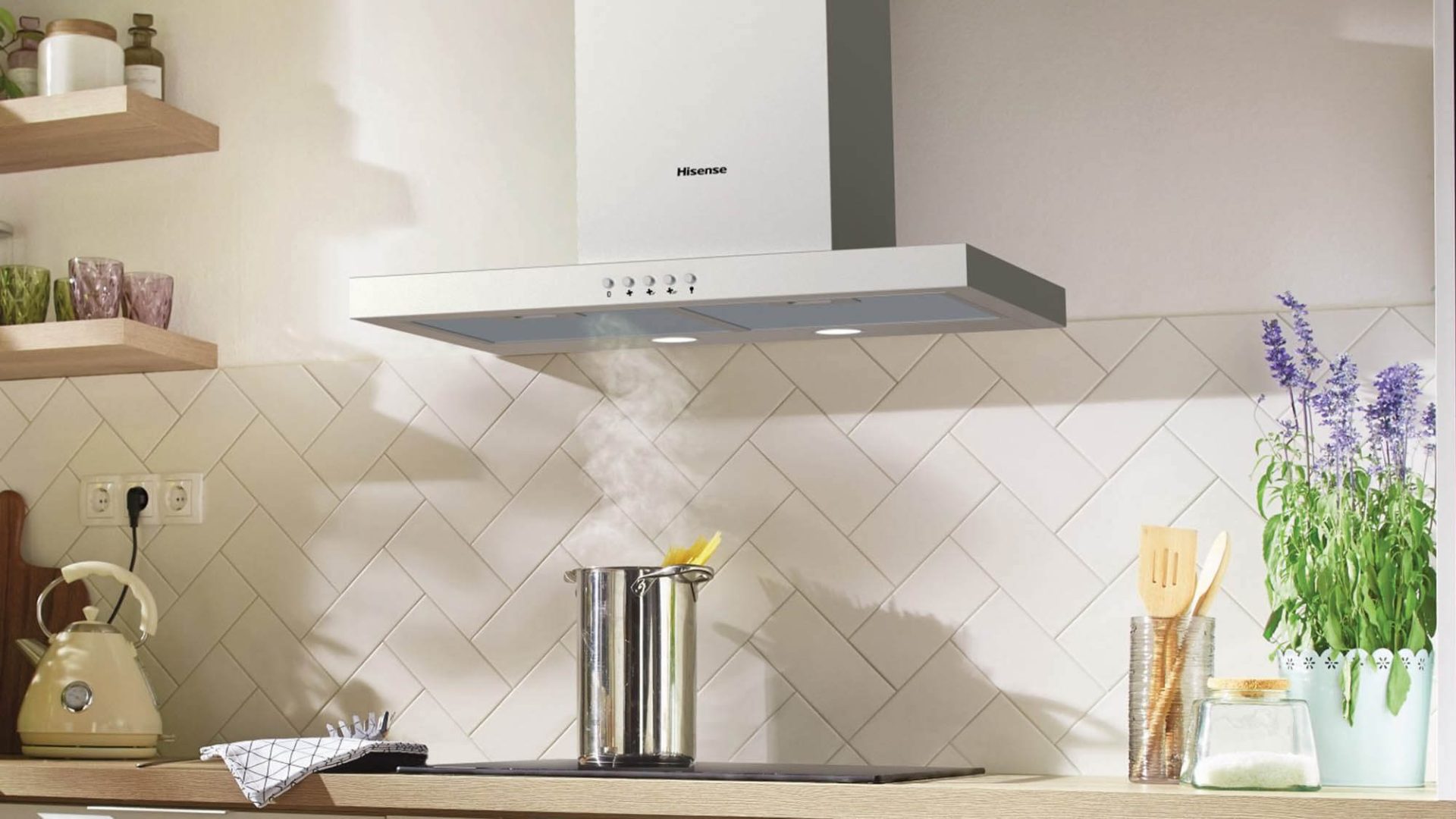
A kitchen hood extractor is a ventilation system installed above cooking equipment to remove smoke, grease, steam, heat and odours from the kitchen.
It normally includes:
- Stainless steel hood canopy
- Grease filters
- Ducting system
- Extractor fan
- Fresh air or make-up air system
- Electrical controls
- External discharge outlet
- Optional fire suppression system
In commercial kitchens, the hood extractor sits above equipment such as cookers, fryers, grills, ovens, chapati plates, charcoal grills, tilting pans and steamers.
Its job is simple but critical: capture contaminated air at the source and remove it safely from the kitchen.
Why Kitchen Hood Extractors Are Important in Kenya
Kenyan commercial kitchens often operate under high heat, long hours and heavy cooking loads. Many kitchens use gas burners, deep fryers, charcoal grills, high-capacity ovens and open-flame cooking equipment.
Without proper extraction, these kitchens quickly develop serious problems.
1. Smoke and Odour Control
Cooking produces smoke and strong odours, especially when frying, grilling, roasting or cooking with spices. A good extractor removes these fumes before they spread into dining areas, corridors or nearby rooms.
2. Grease Removal
Grease particles rise with hot air and stick to walls, ceilings, lights, fans and equipment. Over time, this creates a hygiene problem and increases fire risk. Grease filters inside the hood trap much of this airborne oil before it enters the ducting.
3. Heat Reduction
Commercial cooking equipment releases a lot of heat. A properly sized hood extractor removes hot air and helps keep the kitchen more comfortable for chefs and staff.
4. Fire Safety
Grease build-up in kitchen ducts is one of the biggest fire risks in commercial kitchens. A well-designed hood system, combined with regular cleaning, reduces that risk significantly.
5. Better Staff Productivity
Chefs work better in a clean, cool and well-ventilated kitchen. Poor ventilation causes discomfort, sweating, fatigue and poor concentration.
6. Compliance and Professional Standards
Hotels, restaurants, hospitals, schools, supermarkets and food factories are expected to maintain safe and hygienic kitchen environments. A properly installed extractor system supports food safety and workplace safety standards.
Types of Kitchen Hood Extractors in Kenya
Different kitchens require different hood designs. At Spinel Dynamics Group, we assess your kitchen layout, cooking equipment, ceiling height, heat load and airflow requirements before recommending the right system.
1. Wall-Mounted Kitchen Hood Extractors
These are installed against a wall, usually above cooking equipment lined up along one side of the kitchen.
Best for:
- Restaurants
- Hotels
- Cafés
- School kitchens
- Hospital kitchens
- Small and medium commercial kitchens
Wall-mounted hoods are among the most common extractor systems in Kenya.
2. Island Kitchen Hood Extractors
Island hoods are suspended from the ceiling above cooking equipment placed in the middle of the kitchen.
Best for:
- Open commercial kitchens
- Hotel production kitchens
- Central kitchens
- Large restaurants
- Demonstration kitchens
These hoods require careful airflow design because smoke and heat can escape from all sides.
3. Exhaust-Only Kitchen Hoods
These systems remove contaminated air from the kitchen but do not supply fresh replacement air directly.
Best for:
- Smaller kitchens
- Kitchens with enough natural air supply
- Simple cooking operations
However, in larger kitchens, exhaust-only systems can create negative pressure if not designed correctly.
4. Fresh Air / Make-Up Air Kitchen Hoods
These hoods remove contaminated air while also introducing fresh air into the kitchen.
Best for:
- Large commercial kitchens
- Hotels
- Hospitals
- Schools
- Industrial kitchens
- High-volume restaurants
Make-up air improves comfort and prevents the kitchen from pulling air from dining areas, toilets or storage rooms.
5. Heavy-Duty Grease Hood Systems
These are designed for kitchens with heavy frying, grilling and high-grease cooking.
Best for:
- Fast food restaurants
- Nyama choma kitchens
- Fried chicken outlets
- Hotel kitchens
- Industrial catering kitchens
They require strong extraction, quality grease filters and regular maintenance.
Kitchen Hood Extractor Components
A complete commercial extractor system is more than just a stainless steel canopy.
| Component | Purpose |
|---|---|
| Stainless Steel Hood | Captures smoke, heat, grease and steam above cooking equipment |
| Grease Filters | Trap oil and grease particles before air enters the duct |
| Ducting | Carries contaminated air from the hood to the outside |
| Extractor Fan | Pulls air through the system |
| Fresh Air Fan | Supplies replacement air where required |
| Control Panel | Switches and controls fan operation |
| Lighting | Improves visibility under the hood |
| Fire Suppression System | Provides extra fire protection for high-risk kitchens |
How to Choose the Right Kitchen Hood Extractor
Choosing the right extractor is not just about buying a hood that fits above your cooker. The system must match your cooking load, kitchen layout and ventilation requirements.
1. Match the Hood to Your Cooking Equipment
A kitchen using deep fryers and grills needs stronger extraction than a kitchen mainly boiling or steaming food.
2. Choose the Right Hood Size
The hood should properly cover the cooking equipment below it. If the hood is too small, smoke and grease will escape into the kitchen.
3. Consider Airflow Requirements
Extractor power must match the volume of smoke, steam and heat produced. Too little airflow means poor extraction. Too much airflow wastes energy and may create pressure problems.
4. Use Quality Stainless Steel
Commercial kitchen hoods should be made from durable stainless steel that can withstand heat, grease, moisture and frequent cleaning.
5. Plan the Duct Route Properly
Poor ducting design reduces performance. Long duct runs, sharp bends and undersized ducts make the system inefficient and noisy.
6. Include Fresh Air Where Needed
Large kitchens need proper air replacement. Without make-up air, doors may become hard to open, smoke may backflow, and the kitchen may feel stuffy.
Common Kitchen Hood Extractor Problems
Many kitchen ventilation problems come from poor design, cheap materials or lack of maintenance.
Common Issues We Fix
- Smoke escaping from the hood
- Strong cooking odours spreading indoors
- Grease dripping from the hood
- Noisy extractor fan
- Weak suction
- Overheating kitchen
- Poor duct installation
- Fan failure
- Blocked grease filters
- Dirty ducting
- Rusted or poorly fabricated hoods
- Wrong hood size for the cooking area
At Spinel Dynamics Group, we diagnose the root cause and provide practical solutions, whether the system needs cleaning, repair, fan replacement, duct modification or complete redesign.
Kitchen Hood Extractor Maintenance
A kitchen hood extractor works hard every day. To keep it safe and efficient, it must be cleaned and serviced regularly.
Daily Cleaning
Staff should wipe visible grease from the hood surface and surrounding kitchen areas.
Weekly Cleaning
Grease filters should be removed, washed and dried before being returned.
Monthly Inspection
Check fan performance, unusual noise, grease build-up, loose panels and airflow strength.
Professional Servicing
Commercial kitchens should schedule professional cleaning and servicing depending on usage level. Heavy-use kitchens may need more frequent servicing.
Industries We Serve
Spinel Dynamics Group supplies and installs kitchen hood extractor systems for:
- Hotels
- Restaurants
- Cafés
- Bakeries
- Butcheries
- Supermarkets
- Schools
- Hospitals
- Staff canteens
- Fast food outlets
- Cloud kitchens
- Central kitchens
- Food factories
- Catering companies
- Institutional kitchens
Why Choose Spinel Dynamics Group?
Choosing the right supplier matters. A poorly designed hood extractor can become noisy, ineffective, unsafe and expensive to correct later.
What Makes Spinel Dynamics Different
- Over a decade of commercial kitchen and mechanical systems experience
- Custom stainless steel fabrication
- Site-specific design
- Professional installation
- Extractor fan and ducting expertise
- Fresh air and exhaust balancing
- Maintenance and repair support
- Experience across Kenya and East Africa
- Solutions for small, medium and large kitchens
We do not just sell hoods. We design complete ventilation systems that work.
Get a Kitchen Hood Extractor Quote
Whether you are opening a new restaurant, upgrading a hotel kitchen, fitting out a school kitchen or improving ventilation in a food production facility, Spinel Dynamics Group can help.
Call: +254 714 821 020
Email: info@spineldynamics.com
Location: Aqua Plaza, First Floor, Murang’a Road, Nairobi
Hours: Mon–Fri 8:00 AM – 6:00 PM | Sat 9:00 AM – 2:00 PM