
Install Air Conditioning; The Ultimate Checklist
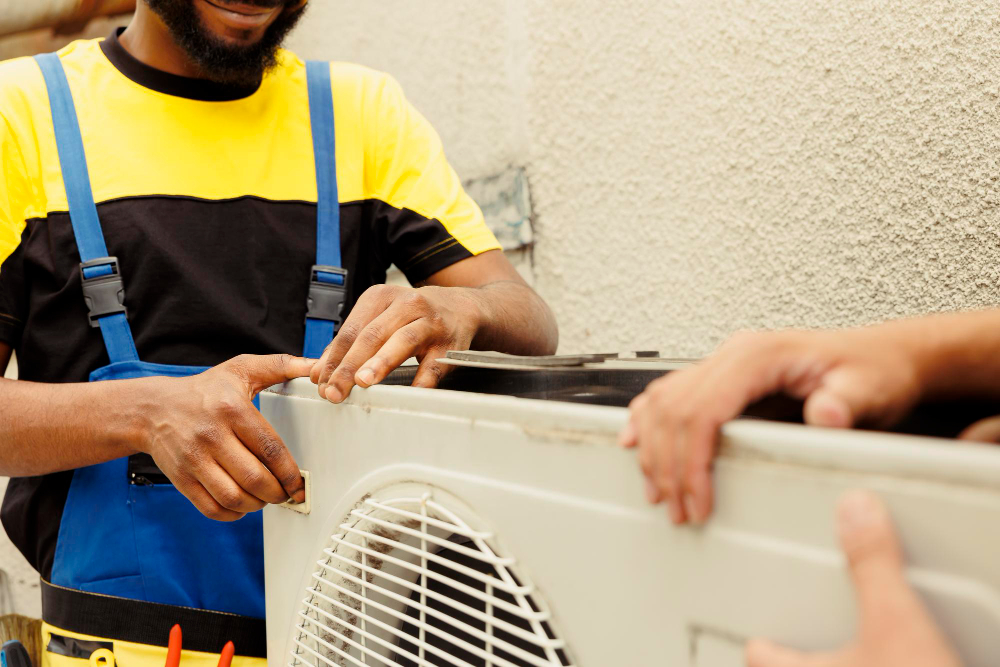
Getting a new air conditioner? Let’s be honest, it’s a big deal. Maybe you’re ditching an old unit that just can’t keep up, or this is your first time cooling the place down. Either way, you want comfort, efficiency, and something that’ll keep working for years—not headaches and giant bills.
Install Air Conditioning
Grab this checklist and walk through it step by step. It’ll help you handle everything, from planning to testing to keeping your system running smoothly.
1. Pre-Installation Planning
Don’t touch a single tool until you’ve got a plan. Rushing in usually means mistakes you’ll regret later.
✅ Figure Out Your Cooling Needs
Start by measuring the space you want to cool. Think about how rooms connect, how many people hang out there, and what appliances crank out extra heat. Pay attention to insulation, the size and direction of windows, and how much sun pours in. Usually, a pro will do a “load calculation” (sometimes called a BTU or HVAC load calculation) to size things up and decide what power you really need.
✅ Pick the Right Kind of AC
There’s a system for just about every setup:
Split system: Great for one room or a small apartment.
Ducted/central: Best if you want the whole place cooled.
Multi-split: Connects a bunch of indoor units to a single outdoor one.
Portable or window units: Good if you’re on a budget or renting.
Choosing the right type is a big deal—get this wrong, and you’ll feel it every day.
2. Get the Size and Capacity Right
Here’s a classic mistake: people buy a unit that’s too big or too small. Neither ends well.
✅ Don’t Go Too Small
Tiny units run all the time and still can’t cool the room. You’ll pay more on your power bill, and the AC wears out faster from all the overwork.
✅ Don’t Go Too Big, Either
Oversized units blast cool air fast, but then shut off before they pull out the humidity. You get weird temperature swings and wasted energy.
Check the manufacturer’s sizing guidelines, and if you can, get a professional to do an energy audit.
3. Check Energy Efficiency Ratings
Nobody wants to pour money into monthly bills, right? Efficiency matters.
✅ Look for SEER or EER
SEER stands for Seasonal Energy Efficiency Ratio. Higher numbers = better efficiency and lower bills.
✅ Go for Energy Star (or Similar)
Units with this certification meet higher standards, so you’ll save more in the long run.
An efficient AC isn’t just good for your wallet—it’s better for the planet, too.
4. Electrical Requirements
Don’t skip this. Mess up the wiring, and you’ll have bigger problems than just a warm room.
✅ Check Your Electrical Panel
Can your panel manage to Install Air Conditioning? Look up the voltage and amperage your system needs.
✅ Dedicated Circuit
Most air conditioners need their own circuit breaker. This keeps you from overloading the system and tripping the power.
✅ Safety First
Install the right fuses or breakers and make sure everything’s grounded. Cut corners here and you risk electrical faults or constant outages.
5. Pick the Right Spots for the Units
Where you Install Air Conditioning matters—a lot.
✅ Indoor Unit
Mount split systems high on the wall, away from direct sunlight. Make sure nothing blocks the airflow, like furniture. Place it where air can move freely around the room. Skip spots with too much moisture (unless the system handles it).
✅ Outdoor Unit
The outdoor unit needs a flat, sturdy spot—usually a concrete slab or solid brackets. Keep it away from plants, debris, or anything that could block airflow (leave at least 30–60 cm around it). Shade helps, but don’t smother it. Also, try not to stick it right outside bedrooms if you want peace and quiet.
Right placement means better efficiency and a system that lasts longer.
6. Piping, Ducts, and Drainage
This is the technical heart of how to set up and Install Air Conditioning. You want it done right.
✅ Refrigerant Piping
Match the pipe size to the manufacturer’s specs. Insulate the pipes to keep in the cool and stop condensation. Avoid sharp bends or pipes that are way too long.
✅ Ductwork
If you’re using ducts, make sure they’re insulated to keep energy loss down. Seal every joint so air doesn’t leak out. Design the layout so every room gets balanced airflow.
✅ Drainage
Set up a proper drain line for the condensation. Slope it so water runs out, and make sure nothing clogs it up. Add a drain pan or overflow switch if you need some extra peace of mind.
Do these right, and your AC system runs better and lasts longer.
7. Mounting and Securing the Units
To mount and Install Air Conditioning isn’t just about holding things up. Do it right, and your AC runs quieter and safer. Skimp here, and you’ll hear every rattle and shake.
Indoor Unit
Start by fixing the mounting plate tight against the wall. Make sure it’s level, or you’ll end up with drainage issues later. Check all the electrical and refrigerant connections—no loose wires or lines.
Outdoor Unit
Bolt the outdoor unit down to its base or bracket. Slip in some anti-vibration pads so it doesn’t rattle or shift. Always leave enough room around it for future maintenance—don’t squeeze it into a corner.
Bottom line: solid mounting matters. Don’t skip it.
8. Electrical Connections and Controls
Now, let’s wire everything up.
Electrical Wiring
Stick with the manufacturer’s wiring diagram. Use cables that match the spec, and don’t skimp on connectors. Tighten every terminal and cover anything exposed.
Thermostat/Remote Setup
Mount the thermostat somewhere it won’t get blasted by sun or drafts—accuracy matters. Set up the basics: temperature, fan speed, modes. For digital thermostats, check batteries or power.
Nail the wiring here, and the system actually listens to what you tell it.
9. Vacuuming and Charging the System
If you’re working with split or ducted systems, don’t rush this step.
Vacuuming the Lines
Hook up a vacuum pump and pull all the air and moisture out of the refrigerant lines. Wait until you hit the right vacuum level and make sure it holds steady.
Refrigerant Charging
Add refrigerant exactly to the manufacturer’s specs. Use the right gauges—guesswork leads to trouble. Don’t overcharge, don’t undercharge.
Doing this part right protects the compressor and gives you peak cooling.
10. Testing the Air Conditioning System
Before you wrap up, test your air conditioning installation.
Initial Power-On
Flip the breaker, hit the main switch, and power up the system. Start it from the thermostat or remote.
Check Modes and Functions
Try out cooling, different fan speeds, and swing features. Watch how the room cools—it should start changing steadily. Listen for anything weird—rattles, buzzing, or anything that just sounds off.
Verify Airflow and Temperature
Feel for strong, even airflow from all vents. Grab a thermometer and check that the supply air is actually cooling down.
Testing is how you know the system’s really working—not just making noise.
11. Final Safety and Quality Checks
A good installer always does a last round of checks on the air conditioning installation.
Safety Checks
Look for exposed wires or loose connections. Make sure circuit breakers are rated and labeled right. Double-check that the outdoor unit isn’t wobbly or loose.
Clean-Up and Finishing
Seal up any holes around pipes or cables in the wall. Clear out packaging, dust, and any mess left behind. Show the owner how to use the remote or thermostat—it’s easy to forget, but super important.
These last steps make the difference between a quick job and a quality one.
12. Owner Handover and Maintenance Tips
Installation’s done, but now comes the part that keeps things running: maintenance.
Documentation
Get your warranty card and installation report. Store manuals and receipts somewhere safe—you’ll need them later.
Basic Maintenance Tips
Clean or swap out filters every month or two. Don’t let leaves or dust pile up around the outdoor unit. Book a pro to service the system at least once a year.
Keeping up with maintenance is how you make your investment last.
Conclusion
Installing air conditioning isn’t just about putting in a box and flipping a switch. It takes real planning, the right sizing, careful wiring, and proper charging. Then you have to test everything, check your work, and hand things over properly. When you follow this checklist, you get a system that’s efficient, lasts longer, and keeps your space comfortable—all while cutting down on repairs.
Whether you’re a homeowner making sure the contractor covers every detail, or a tech who wants to do every job right, this checklist keeps your installs solid, safe, and built to go the distance.
Spinel Dynamics is an air conditioning installation company that offer design, supply, installations, repair, and maintenance of HVAC services in Kenya. We don’t just install an air conditioning system and leave, we ensure it runs smoothly, all the time, without any hitch.
Why Spinel? We are commitment to transparency & honesty. We offer unmatched expertise & certified professionals, customized solutions, exceptional customer service, and long-term reliability and support.
Feel free to contact us in any case.


